
Key Takeaways
- Maintenance should be managed as a long-term system, not a series of repairs — treating your rental property like an operating asset allows landlords to control performance, costs, and outcomes over time rather than reacting to problems as they arise.
- Preventative maintenance and lifecycle planning reduce risk and stabilize expenses by addressing issues early, planning replacements in advance, and avoiding costly emergency repairs that disrupt tenants and cash flow.
- Consistent workflows, documentation, and strategic upgrades improve efficiency and tenant experience, helping properties operate more smoothly, retain quality tenants, and protect long-term investment value.
Rental property maintenance is often framed as a checklist, but in practice, it functions more like a system of performance management. Every repair, inspection, and upgrade contributes to how well your property operates over time.
For U.S. landlords, especially those managing multiple units or planning to scale, maintenance isn’t just upkeep, it’s strategy. A proactive approach can also help reduce unexpected costs and operational stress.
A well-maintained property attracts better tenants, reduces turnover, and protects long-term returns. The challenge is building a process that’s consistent, efficient, and adaptable.Here’s a different way to approach maintenance, with expert tips from the team at Jackson Property Management.
Treat Your Property Like an Operating Asset
A rental property isn’t static. It performs, or underperforms, depending on how it’s managed.
Maintenance plays a direct role in that performance. Systems that are regularly serviced last longer, while neglected components tend to fail at the worst possible time.
When you view your property as an operating asset, maintenance decisions become more intentional. Instead of reacting to issues, you begin managing outcomes.
Focus on Lifecycle
Most maintenance decisions are made based on current conditions, but long-term planning requires thinking in terms of lifecycle.
Every element in your property has a lifespan: appliances, flooring, roofing, and mechanical systems. Rather than waiting for failure, plan replacements based on expected timelines.
This approach reduces emergency costs and allows you to budget more accurately. It also prevents disruptions for tenants who rely on these systems daily.

Align Maintenance With Tenant Experience
Maintenance isn’t just about the property, it’s also about the tenant experience.
Temperature control, working appliances, and clean common areas all influence how tenants feel about the space.
When maintenance is handled consistently, tenants are more likely to stay longer and treat the property with care. Over time, this reduces turnover and improves overall stability.
Create a Maintenance Workflow
Instead of handling each issue independently, establish a workflow: report, assess, prioritize, and resolve. This structure helps you manage both routine requests and unexpected repairs without confusion.
A defined process also allows you to scale. Whether you manage one unit or several, having a repeatable system reduces decision fatigue and improves response time. It also helps ensure tasks are completed in a consistent and organized manner.
A clear workflow makes it easier to coordinate with vendors, track progress, and avoid missed requests. Over time, this structure can reduce delays, improve communication, and create a smoother experience for both landlords and tenants. When every step is defined, you spend less time reacting and more time managing effectively.
Don’t Let Small Issues Compound
A slow leak can become structural damage. A loose fixture can lead to larger repairs. The longer issues go unresolved, the more expensive they become.
Addressing concerns early isn’t just about saving money, it’s about preventing disruption. Quick action keeps the property running smoothly and avoids unnecessary complications.
Pay Attention to High-Impact Areas
Not all maintenance tasks carry equal weight.
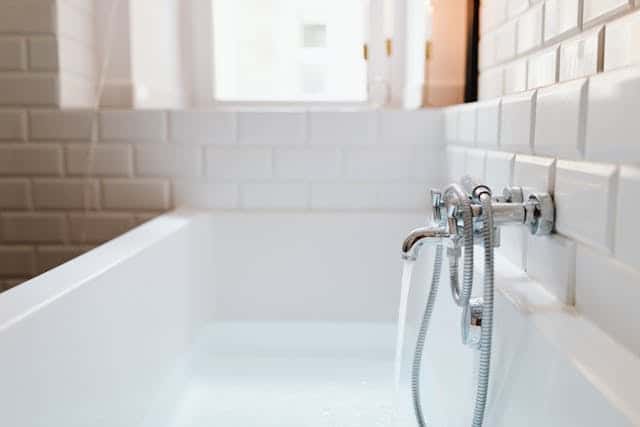
Focus on areas that affect safety, habitability, and structural integrity, such as plumbing, electrical systems, roofing, and HVAC.
These systems have the greatest impact on both tenant comfort and property value. Keeping them in good condition reduces risk and ensures compliance with basic housing standards.
Use Preventative Maintenance to Stabilize Costs
Unplanned repairs are one of the biggest variables in property ownership.
Preventative maintenance helps reduce that unpredictability. Regular servicing, cleaning, and inspections keep systems functioning efficiently and extend their usable life.
Over time, this approach leads to more stable expenses and fewer financial surprises. It also makes budgeting more predictable over the long term. By addressing minor issues early, you can avoid larger repairs that disrupt cash flow and tenant satisfaction.
Preventative care also allows you to plan maintenance activities in advance rather than responding to emergencies. This creates a more controlled financial environment and helps ensure your property continues to perform reliably year after year.
Keep Exterior Conditions in Check
The exterior of your property plays a critical role in both function and perception.
Drainage, roofing, siding, and landscaping all contribute to how well the property holds up over time.
Neglecting these areas can lead to water damage, structural wear, and decreased curb appeal. Regular attention ensures the property remains both durable and attractive to long-term tenants.
Make Documentation Part of Your System
Maintenance without documentation is difficult to manage long-term.
Tracking repairs, inspections, and upgrades creates a record that helps you make better decisions. Over time, patterns emerge, revealing where issues occur most frequently and where improvements are needed.
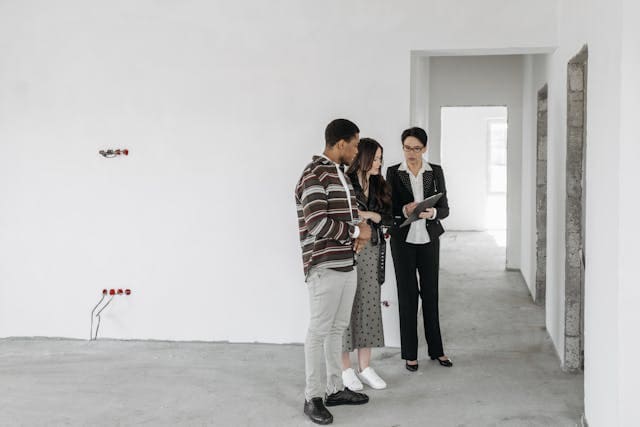
Documentation also supports transparency, especially when dealing with tenants or evaluating property performance. It also makes it easier to plan future maintenance needs. Keeping organized records can also simplify communication with contractors and support more efficient project coordination over time.
Improve Strategically, Not Constantly
Upgrades should serve a purpose. Instead of making frequent changes, focus on improvements that reduce maintenance demands or increase efficiency. Durable materials, modern fixtures, and energy-efficient systems often provide the best return.
Strategic upgrades allow you to maintain quality without creating unnecessary work or expense. This approach helps ensure each upgrade delivers meaningful value. It also prevents overspending on features that may not significantly impact tenant satisfaction or long-term performance.
Bottom Line
Maintaining a rental property is not about reacting to issues, it’s about managing performance over time. When maintenance is treated as a system, it becomes easier to control costs, improve tenant experience, and protect long-term value.
By focusing on lifecycle planning, preventative care, and consistent processes, you can create a property that operates smoothly and predictably.
If you’re looking to simplify maintenance, reduce operational stress, and ensure your property performs at its best, partnering with a professional property management team can provide a meaningful advantage. From inspections to repairs and long-term planning, the right support helps you stay ahead of issues and maximize your investment’s potential.
Contact Jackson Property Management today to strengthen your property management strategy with confidence.