
Key Takeaways
- Verify local rental restrictions, California landlord-tenant requirements, insurance coverage, and any HOA rules before advertising your Inland Empire property.
- Prepare your home for rent by completing necessary repairs, documenting its condition, establishing a realistic budget, and setting a competitive price based on local rental comparables.
- Protect your investment with a legally compliant lease, consistent written screening criteria, organized records, and a reliable process for responding to maintenance requests.
The Inland Empire is one of the most active rental regions in California. Families, commuters, and workers are drawn to communities like Rancho Cucamonga, Ontario, Fontana, Corona, Riverside, and Redlands, and many homeowners consider renting out a property rather than selling.
But renting a home in California comes with detailed rules and real responsibilities. Owners who prepare before listing usually lease faster, attract better residents, and avoid avoidable legal and financial trouble.
This checklist from the team at Jackson Property Management walks through the key steps in a sensible order. It is general education, not legal or tax advice.
Confirm You Are Allowed to Rent
Start with permission. If you have a mortgage, read your loan documents or speak to your lender about renting the home. Some loans have occupancy requirements, and you may need to notify the lender.
If your home is in a homeowners association, review the governing documents for rental restrictions, caps, minimum lease terms, registration requirements, and fees. Check whether your city requires a business license, rental registration, or inspection before you rent. Requirements differ from one city to the next, so verify with the city where the property is located.
Understand California Rent and Eviction Rules
California has statewide rules that may limit rent increases and the reasons for ending a tenancy, and some cities have their own additional rules. Whether and how these apply depends on the property type, its age, who owns it, and other factors. Some single-family homes may be exempt under certain conditions, but exemptions often require specific written notices in the lease.
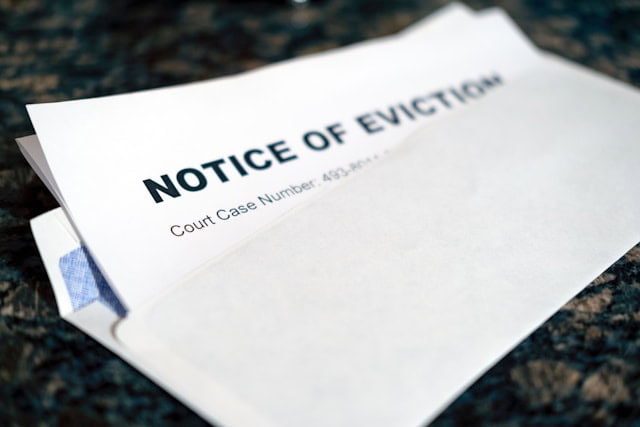
Because mistakes can be costly, have a qualified attorney explain which rules apply to your property before you set rent and write the lease. Do not assume that rules you know from another state or city apply here.
This step is worth doing first, because it affects how you write the lease, how you set the rent, and what you can do if problems arise. A short consultation with a qualified attorney or an experienced local manager can prevent mistakes that are expensive to fix.
Update Your Insurance
A standard homeowners policy is written for owner-occupied homes and may not cover a rental. Talk with your insurance agent about a landlord policy that covers the structure, liability, and possibly lost rent. Be clear about how the home will be used.
In parts of California, wildfire risk and insurance availability are real concerns. Ask your agent about coverage options, deductibles, and any requirements. Encourage residents to carry renters insurance to protect their belongings.
Also ask your agent about coverage for lost rent if the home becomes uninhabitable after a covered loss, and about the liability limits that apply. These details are easy to overlook until you need them, and the premium difference is often modest.
Build a Realistic Budget
Estimate the rent the home can honestly earn. Then subtract your mortgage payment, property taxes, insurance, HOA dues, a vacancy allowance, routine maintenance, a reserve for major repairs, and management fees if you plan to hire a manager. What remains is your estimated cash flow.

If the number is thin or negative, decide whether you are comfortable with that and for how long. A cautious budget at the start prevents painful surprises later.
Remember to include costs that are easy to forget, such as landscaping, pest control, cleaning between residents, and the cost of preparing the home before the first lease. These items add up over a year and are part of the real cost of ownership.
Set the Rent with Local Comparables
Rents vary across the Inland Empire. A home in Rancho Cucamonga competes differently from one in Fontana or Riverside, and commute patterns, schools, and neighborhood character all matter. Look at comparable homes that have actually rented recently.
Pricing too high leads to vacancy, and pricing too low costs you every month.
Prepare the Property
A rent-ready home is clean, safe, and in good repair. Deep clean, touch up paint in neutral colors, repair damaged flooring and fixtures, and replace worn items. Service the heating and cooling systems, which work hard in Inland Empire summers.
Inspect the roof, drainage, and exterior. Address safety hazards such as loose railings or outdated wiring. Consider landscaping that is attractive and manageable, particularly given water-saving requirements in many communities.
Curb appeal matters. A tidy entry, working exterior lights, and a well-kept yard tell applicants that the home is cared for, and they encourage residents to treat it the same way.
Document the Starting Condition
Take dated photos and video of every room, appliance, and exterior area before a resident moves in. Keep the files safe. This documentation forms the baseline for your move-in inspection and is critical if there is a deposit disagreement later.

Store manuals, warranties, paint colors, and vendor contacts together. When the first repair request arrives, having everything in one place will save you time.
A simple folder, paper or digital, works well. Include the lease, inspection photos, insurance documents, receipts, and vendor invoices, and you will have a complete record that makes taxes, claims, and any future sale much easier.
Create a Compliant Lease
The lease is your most important document. It should state the rent, due date, late fees, deposit terms, lease length, maintenance responsibilities, pet rules, utilities, entry and notice procedures, and the process for ending the tenancy. California has specific requirements about security deposits, disclosures, and notices.
Because the rules are detailed and change, have a qualified attorney review your lease and use a form that reflects current California requirements. Do not rely on a generic template.
Set Written Screening Criteria
Decide your screening standards before accepting applications. Common criteria include minimum income compared to rent, credit expectations, verifiable rental history, and employment confirmation. Write them down and apply them consistently to every applicant.
Fair housing laws prohibit discrimination, and California’s protections are broad. Base decisions on objective, written standards and keep records. If you are unsure whether a policy is allowed, consult a qualified attorney.
Plan Your Marketing
A strong listing includes clear photos, an accurate description, and key details such as rent, deposit, pet policy, lease term, and availability. Describe the home and neighborhood honestly, mentioning real features without making promises you cannot control.

Respond to inquiries quickly and group showings to save time. Accurate marketing sets expectations and attracts applicants who are a genuine fit.
Plan Maintenance in Advance
Decide how repair requests will be received and who will respond. Build a list of reliable vendors, including a plumber, an electrician, an HVAC technician, a handyman, and a cleaner. Set a spending limit that you can approve without a call, and define what counts as an emergency.
Keep in mind that California landlords have duties to keep rentals habitable. Respond to maintenance requests promptly and document your response.
A clear process also protects you and your investment. When requests are received in writing, acknowledged quickly, and tracked to completion, you have a record that shows you met your obligations, which can be valuable if a dispute ever arises.
Bottom Line
Preparing your Inland Empire home before listing it can help you avoid preventable expenses, establish clear expectations, and protect your investment. From rental pricing to California compliance, a thoughtful plan makes a difference.
Contact Jackson Property Management today to discuss your rental property and explore how our team can help you prepare for a successful rental experience.
Frequently Asked Questions About Renting Out a Home in the Inland Empire
What Should I Do Before Renting Out My Inland Empire Property?
Before listing your property, we recommend confirming that you can legally rent it, reviewing any HOA restrictions, checking local registration or inspection requirements, and updating your insurance coverage.
You should also estimate operating expenses, research comparable rental properties, complete necessary repairs, and prepare your lease and screening criteria.
At Jackson Property Management, we encourage owners to address these foundational tasks before marketing their homes so they can make informed decisions and prepare for the responsibilities of rental ownership.
Do Inland Empire Landlords Need to Follow California Rent Control Laws?
California has statewide rent increase and eviction protections that may apply to certain rental properties, while some cities have additional requirements.
Whether a particular home is covered depends on factors such as property type, ownership, age, and applicable exemptions. Exemptions may require specific notices or other conditions to be satisfied.
We recommend having a qualified California landlord-tenant attorney review your property’s circumstances before setting rent or preparing a lease. Confirming the rules early can help you avoid costly compliance mistakes.
How Should I Determine the Right Rental Price for My Home?
We recommend comparing your property with similar homes in the same neighborhood, paying attention to bedrooms, bathrooms, square footage, condition, amenities, and recent rental activity.
Rental prices can differ considerably between Inland Empire communities, so broad regional averages may not reflect what your particular home can command. You should also account for vacancy, maintenance, insurance, taxes, and other operating expenses when evaluating your asking price.
A realistic price can help attract interest while supporting your property’s long-term financial performance.
What Documents Should I Prepare Before Leasing My Property?
We recommend organizing a current lease, property-condition photos, move-in inspection records, insurance documents, maintenance records, and relevant receipts before a resident takes possession.
You should also prepare written screening criteria and gather any required disclosures and notices applicable to your property. Keeping these records organized helps you track expenses, document the home’s initial condition, manage maintenance, and address potential disagreements.
Because California has specific requirements for leases, security deposits, and disclosures, have a qualified professional confirm that your documents meet current legal standards.