
Key Takeaways
- Compare your Inland Empire rental with nearby properties that have similar layouts, condition, and amenities to establish a realistic market range.
- Consider the condition of the home, including its interior finishes, major systems, landscaping, parking, and other features that may influence how renters perceive its value.
- Review current rental activity before setting your price, since local supply, demand, and seasonal leasing patterns can affect how quickly a property attracts interest.
Setting the right rental price requires more than checking what another nearby property is asking. Inland Empire rental values can vary considerably by city, neighborhood, property condition, size, and amenities.
A home in Rancho Cucamonga may command a different rent than a similar property in San Bernardino, while two homes in the same neighborhood can attract different rental values based on their condition and features.
Jackson Property Management works with rental owners throughout the Inland Empire and uses local market information to help owners evaluate potential asking rents.
Whether you are preparing a property for its first tenant or reconsidering the price of an existing rental, a structured approach can provide a more useful starting point than relying on a single online listing.
Understand the Local Rental Market
The Inland Empire rental market has experienced changes in supply and demand, making accurate pricing especially important for owners. Rental properties compete not only with other single-family homes but also with apartments and newer multifamily communities that may offer different amenities or leasing incentives.
Local conditions can vary between communities as well. Employment centers, schools, transportation, new housing development, and neighborhood amenities can all influence what renters are willing to pay.
Research Comparable Rental Properties
Look at Similar Homes Nearby
Start by finding rental properties that resemble your home as closely as possible. Focus on properties with comparable bedrooms, bathrooms, square footage, property type, age, and general condition.
The most useful comparisons are usually located in the same neighborhood or nearby area. Looking at properties throughout the entire Inland Empire can produce a misleading range because rental values can differ significantly from one community to another.
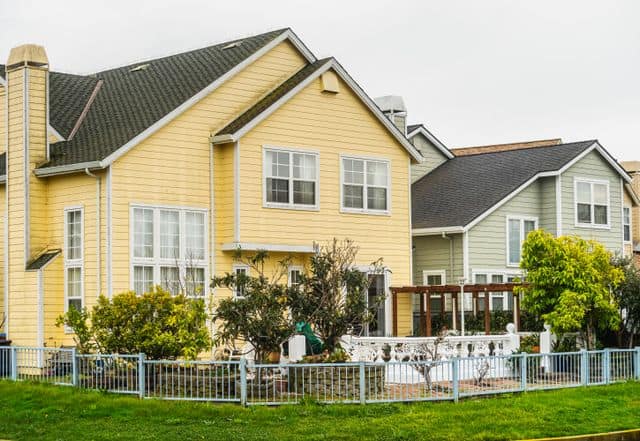
Review both active listings and properties that have recently been removed from the market when that information is available. Active listings show current asking prices, while recently leased properties can provide additional context about what the market has actually supported.
Compare More Than the Asking Rent
A listing’s advertised rent does not necessarily mean that amount was ultimately accepted. Owners may adjust pricing, provide concessions, or change marketing strategies when a property does not generate enough interest.
For that reason, avoid basing your entire pricing decision on the highest advertised rent you can find. Look for patterns among several comparable properties and consider how long they have been available.
Adjust for Your Property’s Features
Consider Size and Layout
Square footage provides useful context, but it should not be the only factor used to determine rental value. Two homes with similar square footage can have very different layouts, bedroom counts, storage options, or outdoor spaces.
Consider how your home’s overall configuration compares with nearby rentals. A property with an additional bedroom, bathroom, garage, or functional outdoor area may appeal to a different segment of the local rental market.
Evaluate Condition and Improvements
Condition can influence both the asking rent and the amount of interest a property receives. A clean, functional, well-maintained home may compare differently with a property that has dated finishes, visible repairs, or deferred upkeep.
Before listing, evaluate the kitchen, bathrooms, flooring, paint, appliances, windows, HVAC equipment, plumbing, and other major features. Exterior condition matters as well, including landscaping, fencing, driveways, and entry areas.

Owners should not assume that every improvement produces the same rental return. The most useful upgrades are generally those that address visible deficiencies or improve the property’s everyday functionality.
Account for Amenities
Amenities can also affect how your property compares with nearby rentals. Features such as a garage, private outdoor space, in-unit laundry, updated appliances, additional storage, or access to community amenities may influence the property’s position within the local rental market.
The impact depends on the neighborhood and competing properties. An amenity that is relatively common in one Inland Empire community may provide less differentiation in another.
Pay Attention to Seasonal Demand
Rental activity can change throughout the year. Spring and summer may bring increased activity as families and other renters plan moves, while colder months can be slower in some markets.
Seasonality does not mean an owner should automatically use a particular pricing formula. Instead, consider the amount of competing inventory available when you plan to list and how quickly similar properties are attracting inquiries.
If you are preparing a rental during a slower period, competitive pricing and strong property presentation may become especially important. Owners approaching a lease renewal can also review current comparable properties rather than relying solely on the previous rental rate.
Make Sure the Property Is Rent Ready
A realistic rent estimate should account for the home’s actual condition rather than how the owner hopes it will appear after listing.
Review the Interior
Walk through the property with a renter’s perspective. Check whether the appliances, plumbing, electrical systems, HVAC, doors, windows, flooring, and fixtures are functioning properly. Look for obvious cosmetic issues that could affect the property’s presentation.

A clean kitchen and bathroom, fresh-looking flooring, functional lighting, and well-maintained finishes can help the property present more competitively against nearby rentals.
Review the Exterior
Exterior presentation also affects a prospective renter’s first impression. Landscaping should be maintained, walkways should be clear, and visible areas such as fencing, garages, doors, and driveways should be in appropriate condition.
Addressing straightforward issues and curb appeal before marketing the property can make it easier to compare your home with other well-presented rentals in the area.
Use Market Response to Reassess Pricing
Your initial asking price is a starting point, not necessarily the final answer. Once the property is marketed, pay attention to inquiries, showing activity, applications, and feedback.
Limited interest may indicate that the asking rent, property condition, marketing presentation, or some combination of factors needs another look. Strong activity can provide evidence that the property is positioned competitively, although owners should still evaluate applicants according to consistent and lawful criteria.
Rather than making repeated changes without a clear reason, compare the property’s performance with similar rentals and identify what may be limiting interest.
When a Professional Rental Analysis Can Help
Estimating rent becomes more difficult when a property has unusual features, limited nearby comparables, significant upgrades, or a location where rental inventory is changing quickly.
A professional rental analysis can give owners another perspective by combining comparable properties with local market knowledge and an assessment of the home’s characteristics. Jackson Property Management offers rental analysis services for owners who want additional information before deciding how to price their property.
Bottom Line
Determining how much you can rent your house for in the Inland Empire starts with comparable properties but should not end there. Review nearby rentals, compare condition and amenities, consider current market activity, and make sure the property is presented in rent-ready condition before settling on an asking price.
Rental values can vary significantly between Inland Empire communities, so a price that works for one neighborhood may not be appropriate for another. If you want another perspective before listing your property, Jackson Property Management can provide a rental analysis and help you evaluate your pricing strategy.
Frequently Asked Questions About Rental Pricing in the Inland Empire
How Do I Find Good Rental Comparables For My Property?
Look for recently listed or leased properties that closely match your home in location, property type, size, bedroom and bathroom count, condition, and amenities. Comparables in the same neighborhood are generally more useful than properties located across a much larger market area.
It can also help to compare several properties instead of relying on one listing. If the available rentals vary widely, consider whether differences in condition, layout, or amenities explain the range before deciding where your property belongs within it.
What Property Improvements Can Help Support A Higher Rent?
Improvements that address visible deficiencies or provide useful everyday features may help a property compete more effectively with nearby rentals. Updated appliances, fresh finishes, functional HVAC equipment, improved landscaping, additional storage, laundry facilities, garages, and usable outdoor areas may be relevant depending on the property.
Owners should evaluate the expected cost against the potential rental benefit rather than assuming every renovation will produce a corresponding increase in rent. Comparing the property with competing rentals can help identify which improvements are most relevant to the local market.
When Should I Reconsider My Asking Rent?
Consider reviewing your pricing when the property receives substantially less interest than comparable rentals or when market conditions change after the listing is published. Limited inquiries, few showings, or a lack of qualified applications can indicate that the asking rent or another part of the property’s presentation may need attention.
Before reducing rent, review competing listings and consider whether condition, photography, description, availability, or other factors could be affecting interest. A pricing adjustment should be based on market information rather than an arbitrary reduction.
Does The Neighborhood Affect How Much I Can Charge?
Yes, location is an important part of rental pricing in the Inland Empire. Properties in different cities and neighborhoods can have different rental ranges because of differences in employment centers, transportation, schools, amenities, housing stock, and competing inventory.
Even properties within the same city can have different rental values based on their immediate surroundings and proximity to local demand drivers. For that reason, owners should prioritize comparable properties in or near the same neighborhood whenever possible rather than relying on a broad citywide average.
Should I Consider Seasonality When Pricing My Rental?
Seasonality can be one factor in determining when and how aggressively to market a rental. Rental activity may change throughout the year, with some periods producing more moving activity and others producing fewer prospective renters. However, there is no universal seasonal adjustment that applies to every Inland Empire property.
Owners should review current competing inventory, local demand, and the condition of the property when setting a price. If a lease is approaching renewal during a slower period, reviewing current market comparables can also help inform the decision.