
Key Takeaways
- Regular inspections and preventive maintenance can help property owners identify small issues before they develop into costly repairs or safety concerns.
- Securing doors and windows, maintaining smoke and carbon monoxide alarms, and addressing water, electrical, and fire risks are important parts of protecting a property.
- A consistent approach to roof, gutter, HVAC, and exterior maintenance can help preserve property condition while supporting long-term investment value.
A home provides more than a place to live. For homeowners, landlords, and real estate investors, it is also a significant financial asset that requires ongoing care and attention. Protecting that investment does not always require expensive security equipment or complicated systems.
In many cases, consistent inspections, preventive maintenance, and awareness of potential problems can make a meaningful difference. The team at Jackson Property Management has years of experience protecting investment properties and has learned a few tricks along the way.
Property owners should take a proactive approach to safety and maintenance. Small problems can become expensive when they go unnoticed, while neglected safety concerns can create unnecessary risks.
Whether you own a primary residence, rental property, vacation home, or investment property, establishing a regular property care routine can help protect both the building and its long-term value.
Inspect the Property Regularly
One of the best ways to protect a property is to understand its current condition. Regular inspections can help you identify problems before they become larger concerns. Areas worth checking include doors and windows, the roof, plumbing, electrical components, exterior materials, drainage, landscaping, and major appliances.
Small signs of damage should not automatically be dismissed. A stain on a ceiling could indicate a roofing or plumbing issue, while a loose handrail may create a safety concern. Damaged caulking around a bathtub can also allow moisture to reach surrounding materials.
Identifying these problems early can make repairs easier to manage and may help prevent more extensive damage.
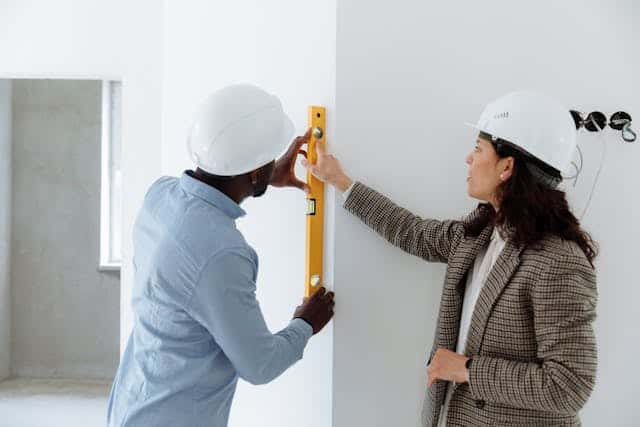
For rental properties, landlords should also maintain appropriate records of property condition and repairs to ensure tenants are complying with the terms of the lease agreement.
Secure Doors and Windows
Basic physical security is an important part of protecting any property. Exterior doors should be checked regularly to make sure locks, hinges, and frames remain in good condition. Doors should close securely and fit properly within their frames.
A door that does not close or lock correctly should be addressed rather than treated as a minor inconvenience. Properly functioning entrances can contribute to both property security and overall safety.
Exterior lighting is another consideration. Entrances, walkways, garages, and other vulnerable areas should have adequate visibility. Motion-sensitive lighting may be useful in appropriate locations.
For rental properties, owners should also make sure security features are properly maintained and that occupants understand how to use them.
Maintain Smoke and Carbon Monoxide Alarms
Fire and carbon monoxide safety deserve regular attention. Smoke and carbon monoxide alarms should be installed where required and tested regularly to confirm that they are functioning properly.
Property owners should follow applicable requirements and manufacturer recommendations regarding batteries, replacement units, and testing. Simply having an alarm installed does not mean it will work when needed.
Rental property owners should also remain familiar with applicable safety requirements and make sure required alarms are maintained appropriately. Having an emergency plan can provide an additional layer of preparedness rather than relying solely on alarm systems.
Address Water Damage Promptly
Water problems can cause significant property damage when they are allowed to continue.

Leaking supply lines, damaged roofing, clogged drains, faulty water heaters, and improperly sealed fixtures can all allow moisture to affect walls, ceilings, flooring, and other parts of a property. Water damage can be difficult to fix and may require costly renovations.
Owners should pay attention to areas where water problems commonly develop. Under-sink plumbing, toilets, bathtubs, ceilings, and exterior drainage areas are all worth monitoring. Warning signs may include stains, unusual odors, damp materials, peeling surfaces, or unexpected changes in water usage.
Knowing the location of the property’s main water shut-off valve is also important. If a major leak occurs, shutting off the water supply quickly may help limit damage while professional assistance is arranged.
Maintain Electrical and HVAC Systems
Electrical problems should never be ignored. Property owners should avoid using damaged cords, overloaded outlets, or inappropriate extension-cord setups. Warm outlets, sparks, unusual odors, or repeatedly tripped circuit breakers can indicate a problem that needs attention.
Major electrical work should be handled by qualified professionals rather than attempted as a do-it-yourself repair.
Heating and cooling systems also require ongoing care. Filters should be cleaned or replaced as appropriate, and systems should receive professional service when needed.
Preventive HVAC care can help maintain system performance and identify developing problems before they result in a more significant breakdown.
Reduce Fire Risks
Protecting a property from fire involves more than installing smoke alarms. Flammable materials should be kept away from heat sources, fireplaces should be properly maintained, and cooking areas should be kept clear of unnecessary combustible materials.
Owners should also pay attention to the condition of appliances and equipment used for cooking and heating.

Outdoor areas deserve consideration as well, particularly when vegetation or other materials could increase fire risk.
The appropriate precautions can vary depending on the property. A detached home, apartment, vacation rental, and vacant investment property may each have different risks and maintenance considerations. Property owners should evaluate the building, how it is being used, and the conditions surrounding it when developing a safety plan.
Keep the Roof and Gutters in Good Condition
The roof is one of a property’s primary defenses against weather and moisture. Because portions of the roof can be difficult to see from the ground, owners should monitor for visible signs of damage such as missing or damaged shingles, deteriorated flashing, evidence of leaks, or areas where water may collect.
Gutters and downspouts also play an important role in directing water away from the property. When gutters become clogged, water can accumulate around the roof, exterior walls, or foundation.
Regular cleaning and monitoring can help reduce the likelihood of preventable water problems. If an issue extends beyond routine maintenance, property owners should consult a qualified professional.
Protect Vacant and Investment Properties
Properties that are vacant for extended periods can require additional attention. Without regular occupancy, issues such as leaks, HVAC problems, security concerns, or exterior damage may go unnoticed for longer periods.
Owners of vacant investment properties should establish a routine for checking the property and maintaining essential systems. Access should also be controlled so that only authorized individuals can enter.

Keeping records of inspections, repairs, and other property-related activity can make it easier to track the condition of the investment and identify recurring issues.
Review Insurance and Prepare for Emergencies
Property protection should also include reviewing insurance coverage and considering whether the policy remains appropriate for the property’s current use. Rental properties, vacant homes, and owner-occupied residences may have different insurance considerations, so owners should discuss coverage with their insurance professional.
Emergency preparation is another important part of responsible property ownership. Owners should know where important shut-off valves and controls are located and maintain relevant contact information for professionals who may be needed during an emergency.
Bottom Line
Protecting your home or investment property is an ongoing responsibility rather than a one-time task. Regular inspections, timely repairs, proper security, and preventive maintenance can help you identify problems early and preserve the condition of your property over time.
For rental property owners, professional property management can also provide an additional layer of oversight when you do not have the time or proximity to monitor the property yourself. A reliable management partner like Jackson Property Management can help coordinate the day-to-day responsibilities involved in maintaining an investment and addressing issues as they arise.
Frequently Asked Questions About Property Safety and Maintenance
How Often Should I Inspect My Investment Property?
The appropriate inspection schedule depends on the property, its condition, occupancy, and applicable requirements. Rather than waiting until a problem becomes obvious, owners should establish a consistent process for monitoring important systems and areas of the property.
For rental properties, inspections should also be conducted in accordance with applicable laws and lease requirements.
What Problems Should Landlords Address First?
We generally recommend prioritizing issues based on safety, potential property damage, and the likelihood that a small problem could become significantly more expensive. Active water leaks, electrical concerns, heating or cooling failures, and damaged entry points may require more immediate attention than cosmetic issues.
We also consider whether delaying a repair could affect another part of the property. Having a process for evaluating and documenting maintenance concerns helps owners make informed decisions about which repairs should receive priority.
How Can Preventive Maintenance Protect My Investment?
Preventive maintenance gives property owners an opportunity to address aging components and developing problems before they result in more extensive damage. We view routine attention to roofing, gutters, plumbing, HVAC equipment, electrical systems, and exterior areas as part of protecting the property’s long-term condition.
Preventive maintenance can also make property expenses more predictable by reducing the likelihood that minor problems will remain unnoticed until they require more substantial repairs.
What Should I Check When Preparing a Property for Long-Term Vacancy?
When a property will be vacant, we recommend considering security, water, climate control, exterior condition, and access. Owners should know how essential systems are configured and determine how the property will be monitored while it is unoccupied.
It is also important to consider insurance requirements and any steps your insurer recommends for vacant properties.
How Can Property Owners Stay Organized With Maintenance and Safety?
We recommend maintaining clear records of inspections, repairs, contractor work, and other significant property-related activity. Keeping this information organized makes it easier to understand the property’s maintenance history and identify recurring concerns.
Owners can also maintain a list of important contacts, equipment information, warranties, and insurance details in one accessible location.